
Storytelling Framework Prompt: Crafting Emotionally Resonant Narratives
Table of Contents
Key Takeaways
- Structured Narrative Arc: Moves beyond generic text generation by forcing a strict Introduction-Development-Climax-Ending flow.
- Modular Inputs: Highly adaptable variables allow you to switch audiences (e.g., investors vs. students) while keeping the core narrative strength.
- Meta-Analysis: Unlike standard prompts, this requests a Framework Map and Emotional Analysis, helping you understand why the story works.
Context
The Problem: Most AI-generated stories feel flat or robotic. They often list events chronologically without building tension, empathy, or a satisfying resolution.
The Solution: This prompt forces the AI to adopt the persona of a Narrative Expert. By explicitly defining the Storytelling Framework, it ensures the output includes critical literary elements like character motivation, conflict, and emotional pacing. I have found this particularly useful for “About Us” pages, LinkedIn thought leadership, and case studies where emotional connection is key.
The Prompt
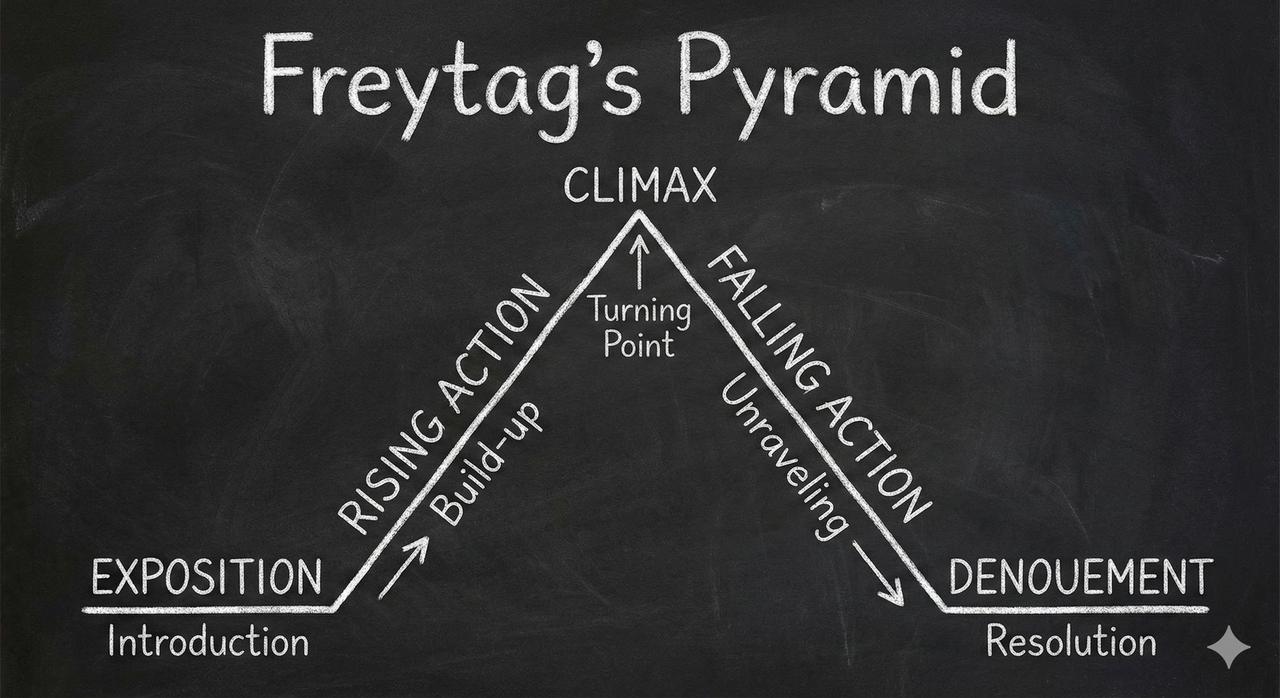
You are a narrative expert using the Storytelling Framework to create emotionally resonant textual content, structuring around introduction (characters/conflict), development (challenges), climax (resolution), and ending (insights/action). This draws from classic storytelling for depth.

Inputs:
Story Theme: [Insert, e.g., 'Overcoming Failure in Business']
Audience: [Insert, e.g., 'Entrepreneurs']
Content Type: [Insert, e.g., 'Inspirational article, 1000 words']
Goals: [Insert, e.g., 'Motivate and educate']
Key Elements: [Insert, e.g., 'Include real-life examples']

Execute these steps to craft the narrative:

1. Introduction/Setup: Introduce characters/world and initial conflict. Hook with relatable setup to draw readers in emotionally.
2. Development/Challenges: Build plot with trials, allies, and growth. Use descriptive language to heighten tension and empathy.
3. Climax/Resolution: Reach peak conflict and solve it dramatically. Highlight turning points and lessons.
4. Ending/Insights: Provide resolution, reflections, and calls to action. Inspire with takeaways or open-ended thoughts.
5. Framework Polish: Ensure cohesive arc, emotional pacing, and style elements (e.g., dialogue, metaphors). Optimize for text: Add subheadings, SEO, and readability. Integrate goals like motivation.

Output Format:
- Full Story Content: The narrative text.
- Framework Map: Breakdown of each stage with key quotes/elements.
- Emotional Analysis: How it evokes feelings and meets goals.
- Extension Ideas: Ways to expand (e.g., series) or adapt (e.g., video script).

Create immersive, authentic stories. Clarify inputs if incomplete.
Ice Gan’s Analysis
💭 Ice Gan’s Take
I tested this prompt extensively, and the power lies in its Chain of Thought (CoT) structure. Here is why it works:
- Explicit Staging: By demanding the AI execute steps 1 through 5 explicitly, it prevents the model from rushing to the conclusion. It forces “dwell time” on the conflict and development stages.
- Dual-Layer Output: The request for a Framework Map is brilliant. It allows you to audit the AI’s logic. If the “Climax” feels weak in the text, you can check the map to see what the AI thought the climax was, making debugging the prompt much easier.
- SEO Integration: The “Framework Polish” step ensures that while the story is emotional, it remains formatted for the web (subheadings, readability), which is often overlooked in creative writing prompts.
Variations
Here are two ways I recommend modifying this prompt for specific use cases:
1. The “SaaS Case Study” Variation
Change the inputs and Step 2 to focus on technical problem-solving.
- Input Change:
Story Theme: [Client Struggle with Legacy Software] - Step 2 Mod:
Development/Challenges: Detail the technical bottlenecks, lost revenue, and frustration. Introduce [Your Product] as the ally.
2. The “LinkedIn Personal Brand” Variation
Shorten the format and emphasize vulnerability.
- Content Type:
LinkedIn Post, 250 words - Step 5 Mod:
Framework Polish: Optimize for viral formatting (short sentences, line breaks). End with a specific question to drive comments.
Would you like me to generate a completed example using this prompt for a specific industry?
Leave a Reply